
Renewable energy: the future of power
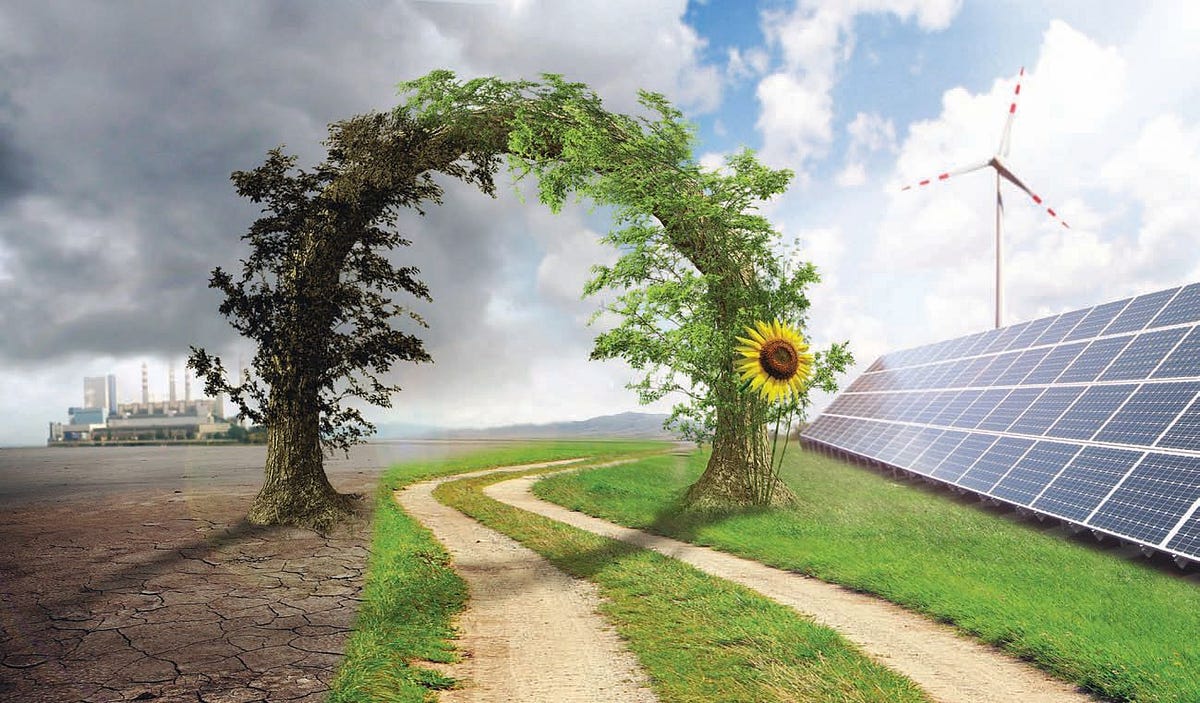
Renewable energy is energy that comes from natural sources that are replenished on a human timescale, such as sunlight, wind, rain, tides, waves, and geothermal heat. It is not only clean and sustainable, but also becoming increasingly affordable and accessible.
There are many different types of renewable energy, each with its own advantages and disadvantages. Some of the most common types include:
- Solar energy: Solar energy is harnessed using photovoltaic (PV) cells, which convert sunlight directly into electricity. PV panels can be installed on rooftops, in fields, or even on floating platforms in the ocean.
- Wind energy: Wind energy is generated using wind turbines, which convert the kinetic energy of the wind into electricity. Wind turbines can be installed onshore or offshore, and can be used to generate large amounts of electricity.
- Hydropower: Hydropower is generated using dams and turbines to harness the energy of moving water. Hydropower plants are typically large-scale projects, but there are also smaller micro-hydro systems that can be used to generate electricity for homes and businesses.
- Geothermal energy: Geothermal energy is generated using the heat from the Earth's core. Geothermal power plants can be used to generate electricity or to provide heat for homes and businesses.
- Biomass energy: Biomass energy is generated using organic materials, such as wood, crops, and waste products. Biomass can be burned to generate heat or electricity, or it can be converted into biofuels, such as ethanol and biodiesel.
Renewable energy is becoming increasingly important as the world transitions to a clean energy future. In 2022, renewable energy accounted for over 30% of global electricity generation, and this share is expected to continue to grow in the coming years.
There are many benefits to using renewable energy. Renewable energy sources are clean and sustainable, meaning that they do not produce greenhouse gases or other pollutants. They are also becoming increasingly affordable, and many countries are now offering incentives to encourage people and businesses to switch to renewable energy.
Renewable energy can also help to create jobs and boost the economy. The renewable energy industry is one of the fastest-growing sectors in the world, and it is expected to create millions of new jobs in the coming years.
If you are interested in switching to renewable energy, there are many resources available to help you get started. You can contact your local utility company to learn about renewable energy options in your area, or you can visit the websites of organizations such as the Solar Energy Industries Association and the American Wind Energy Association.
Here are some tips for switching to renewable energy:
- Start by assessing your energy needs. This will help you determine the right type and size of renewable energy system for your home or business.
- Research different renewable energy options. There are many different types of renewable energy, so it is important to choose the one that is right for your needs.
- Get quotes from different renewable energy installers. This will help you compare prices and find the best deal.
- Apply for any available incentives. Many countries and states offer incentives to encourage people and businesses to switch to renewable energy.
Switching to renewable energy is one of the best things you can do for the environment and your wallet. With the cost of renewable energy falling and the benefits increasing, there has never been a better time to make the switch.
Post a Comment